
Choosing branded swag bags for team members sounds simple, but then the questions start: What do people actually use, what feels premium, and how do you avoid wasting budget on things that end up in a drawer? Here are a few that stand out based on real user feedback:
Top professionally curated picks
Below are handpicked categories that usually perform well with teams, based on practicality, durability, and feedback about daily use.
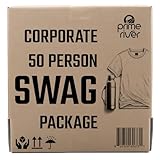
- Designed for Large Groups: Complete swag package curated for up to 50 people.

- IDEAL SIZE - The Mato & Hash Drawstring backpack is the absolute perfect bag for any large or small event. It’s approxiamtely 15.5” Length and 13.5” width is the ideal size for Promotional Events, Blessing Bags, Team Swag Bags, or promoting your Business . . Our Cinch bags have endless uses such as promotional giveaways, corporate events, gym bags, party favor goody bags, and much more! Great for screen printing, Embroidery or Transfers.

- Super Gloss Low Density Die Cut Handle Merchandise Shopping Bags
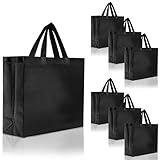
- MAXIMIZE SAVINGS: with our 30-pack gift bag bulk option. The same premium reusable BLACK gift bags are now available in a larger, more economical pack size, delivering exceptional value without compromising on quality!
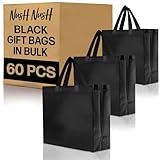
- TAILORED FOR SMALL BUSINESSES: our eco-friendly 60-pack option delivers the same high-quality reusable BLACK gift bags in a larger, more economical pack size, catering to the demand for sustainable gift bags in bulk.
Why branded swag bags for team members matter more than most people think
Swag bags might look like a small detail in the bigger picture of team culture. In practice they can have a surprising effect on how people feel about their workplace.
When done well, a swag bag is a physical reminder that a person belongs to a team. When done badly, it feels like random clutter with a logo printed on top. The difference usually comes down to three things: usefulness, quality, and how thoughtfully the items match the team.
The best branded swag bags are not about the logo. They are about giving useful, good quality items that people are happy to use in real life.
This guide looks at what makes a good swag bag, how to decide what to include, how to avoid common mistakes, and how to match your choices to your company culture and budget.
What makes a good branded swag bag for team members
Before choosing specific items, it helps to look at what separates a good swag bag from a forgettable one. A simple rule: if most items will be used at least weekly, the bag is a win. If most items will sit in a drawer or go straight to the bin, the bag has missed the mark.
Key factors to judge any swag bag item
| Factor | What to look for | Why it matters for team members |
|---|---|---|
| Usefulness | Item that solves a real daily need at work or at home | Higher chance it is used and seen, not hidden |
| Quality | Solid materials, tidy finish, reliable function | Avoids the feeling that the company chose the cheapest option |
| Comfort | Feels good to touch, wear, or hold | Encourages repeated use over months |
| Brand presence | Logo that is clear but not oversized or loud | Makes people comfortable using the item in public |
| Durability | Holds up to daily use without quick damage | Sends a message that the company values long term quality |
| Portability | Easy to carry in a bag or pocket, not too heavy or bulky | Useful for hybrid and remote workers on the move |
| Inclusiveness | Suitable for varied lifestyles and preferences | Reduces the chance that items feel niche or exclusionary |
Before adding any item to a swag bag, ask one question: “Would a stranger with no link to our company still want to use this?” If the answer is no, the item may be more promotional than useful.
Matching swag bags to the type of team
Not every team needs the same style of swag. A small remote engineering group has different daily habits compared to an in-office sales team or an event crew.
Think about:
- Work style: remote, hybrid, or office based
- Average commute: heavy travel or mostly home based
- Dress code: casual, smart casual, or formal
- Age range and lifestyle patterns
- Local climate: hot, cold, or mixed
A team that works from home most of the time might value desk items, cable organization, and comfortable apparel. A team that travels a lot might value compact chargers, travel mugs that do not leak, and sturdy backpacks.
Core elements of a strong branded swag bag
To make decisions easier, it helps to think in categories instead of individual products. A balanced swag bag usually covers a few of these groups.
1. The bag itself
The bag is not only packaging. It is the first item people see and one of the things they may use for the longest time. A weak bag makes the whole bundle feel cheaper than it is.
Things to check:
- Material: canvas, recycled fabric, or sturdy nylon tends to last
- Handles: reinforced stitching and comfortable grip
- Structure: keeps shape, does not collapse into a crumpled pile
- Size: large enough to carry a laptop or groceries, not huge
- Branding: logo position that does not dominate the design
A simple, neutral bag with a small logo near the corner often gets the most long term use. Strong colors can work, but they also date faster and do not fit every outfit.
2. Drinkware that people actually use
Reusable bottles and mugs are popular, but they can be hit or miss. A leaky lid or hard to clean interior means the item will stay at home or be thrown out quietly.
Look for:
- Leak resistance when carried in a backpack
- Comfortable mouth opening for sipping
- Easy to clean, ideally with wide opening
- Material that does not affect taste
- Non-slip base for desks
High quality drinkware in a swag bag often becomes a daily companion, which means your brand is in front of the team for a long time without feeling forced.
3. Desk and tech accessories
For many teams, most work happens around a laptop. Small improvements here feel very real in daily life.
Examples of useful categories:
- Mouse pads with comfortable wrist support
- Cable organizers or clips that keep desks neat
- Compact phone stands for video calls
- USB hubs or adapters for common ports
- High quality notebooks and pens for quick notes
Tech items should be compatible with common devices. If your team is mixed between operating systems and device types, stay with universal options like USB or wireless accessories that work across platforms.
4. Apparel and wearables
Clothing is tricky. When it works, it creates a sense of shared identity. When it fails, it stays in the back of a cupboard.
Points to consider:
- Cut and fit: offer a range, not a single unisex style that fits nobody well
- Material: breathable, not too heavy, not itchy
- Branding: small, subtle design that people feel fine wearing off duty
- Color: neutral shades suit more people over time
Some companies have moved from heavy branded shirts to more flexible items like beanies, socks, or lightweight jackets. These can be easier to size and more widely used.
5. Wellness and comfort items
Healthy, comfortable team members tend to do better work. Swag that supports this can feel more thoughtful than yet another keychain.
Possible categories:
- Reusable lunch containers
- Blue light filter glasses
- Compact massage or stress relief tools
- Small desk plants or plant kits
- Hand cream or lip balm with subtle or no scent
Wellness items should respect allergies and sensitivities. Strong scents or skin products with complex ingredients can be risky. Neutral, gentle options are safer.
Balancing branding and subtlety
One of the biggest mistakes with swag bags is aggressive branding. Huge logos, bright slogans, and loud colors might work at a one time event, but team members live with these items daily.
Three simple tips:
- Keep the logo small and place it near an edge or on a tag
- Avoid large slogans across the front of clothing or bags
- Use brand colors as accents, not the entire product color
A good test: Ask yourself if someone would be happy to use the item around friends who know nothing about the company. If the answer is yes, the branding level is probably in a good range.
Choosing swag bags for different company goals
Not every swag bag is for the same purpose. The mix can change based on why you are giving it out.
Welcome swag bags for new hires
New starter swag is about first impressions. It can reduce first day nerves and quickly signal that the company is prepared and thoughtful.
Useful inclusions:
- High quality notebook and pen pair
- Desk item that will live near their laptop
- Comfort item like a hoodie, socks, or soft tee
- Short printed welcome message from the company
Better to include fewer quality items than many cheap ones. A strong first bag does not have to be big.
Swag bags for events and offsites
Event swag bags often have a slightly different job. They help with logistics and give a sense of occasion.
The mix can include:
- Lanyard or badge holder
- Portable notebook for sessions
- Weather relevant item like a cap or compact umbrella
- Snack or hydration item
If people travel to the event, keep weight low so that carrying everything back home does not feel like a chore.
Swag bags for recognition or milestones
When marking an anniversary, project finish, or big milestone, swag can feel more personal.
Ideas:
- Higher end drinkware or apparel
- Limited edition design used only for that milestone
- Personalized note mentioning the specific contribution
- Optional extra like a gift card tucked into the bag
Here it can be worth spending a bit more per person, because the item is linked to a special moment, not just the job in general.
Common mistakes with branded swag bags for team members
Most disappointing swag bags fail for predictable reasons. Avoiding them already puts your project ahead of many others.
1. Overloading with low quality items
Stuffing a bag with many cheap gadgets can look generous at first glance, but the feeling fades quickly when items break, leak, or feel flimsy. People quietly form a view that the company values volume over care.
2. Ignoring size and fit issues
Handing out apparel without considering sizing is a fast way to make people feel overlooked. Offering a basic size range and asking for sizes in advance avoids awkward guesses and waste.
3. Forgetting remote and hybrid workers
If some team members are in the office and others are remote, sending swag to only one group sends an unspoken message. Budget for shipping to remote staff or choose digital options to complement physical packs.
4. Overly loud slogans or inside jokes
Catchphrases that made sense in one context can age quickly or confuse new team members. Keeping designs simple and clear avoids the feeling that the swag is stuck in a moment that has already passed.
5. No practical way to reorder or restock
HR teams often run into a problem where new hires months later receive different or lower quality bags because the original items are not easily restocked. A simple internal list with product links and print specs helps keep consistency over time.
Pros and cons of investing in branded swag bags for team members
This section looks at realistic upsides and downsides. Swag bags are not magic, but they can be useful if handled with some care.
Where branded swag bags work well
- Support team identity by giving shared, visible items
- Help new hires feel welcomed on day one
- Keep the company brand present without more slides and emails
- Can make events and offsites feel more special
- Offer practical upgrades to daily work, like better drinkware or desk tools
- Give people something to show friends and family when they talk about their work
- Can act as a soft recruitment signal when seen in public spaces
- Provide a more tangible form of appreciation than only verbal thanks
- Can integrate with wellness and sustainability goals if chosen well
- Offer an easy way to standardize the new starter experience across locations
Where branded swag bags can fall short
- Can waste budget if items are not actually used
- Low quality items can damage trust more than no swag at all
- Shipping to remote team members can become complex and costly
- Apparel sizing issues can cause frustration and returns
- Overly branded items may feel awkward to use outside the office
- Environmental concerns if items are plastic heavy and short lived
- Time cost for HR or operations teams to manage storage and distribution
- Risk of inconsistent experience if stock changes often
- Can feel performative if core work conditions do not match the message of care
- May not suit all cultures or individual styles, so some people just will not use certain items
How to plan and roll out swag bags step by step
A simple plan helps avoid last minute stress. Here is a basic pattern that works for most companies.
Step 1: Clarify the goal
Is the swag bag for onboarding, an event, a recognition program, or something else? The purpose should guide the type and number of items. A welcome kit, for example, might favor desk and comfort items, while an event kit might focus on travel and note taking.
Step 2: Decide on a realistic budget
Start with a budget per person, not a list of items. This helps you choose a smaller number of higher quality products that do not feel cheap. Factor in printing or embroidery, packaging, and shipping where needed.
Step 3: Shortlist categories, not products
Choose categories first, such as:
- Bag or backpack
- Drinkware
- Desk accessory
- Wearable item
- Small surprise or treat
Once the spread across categories feels balanced, then look within each one for specific products that fit your budget and quality level.
Step 4: Involve a small sample of team members
Before committing to a full order, show mockups or sample items to a mixed group from different departments. Ask what they would actually use, what feels cheap, and what feels like a nice touch.
Step 5: Finalize branding rules
Agree on logo placement, size, and color use early. Keep consistent rules across items where possible. This saves time going back and forth with designers and print vendors later.
Step 6: Test physical samples
If possible, order a small batch or demo unit before scaling. Check:
- How the logo looks on the real material
- Comfort when holding or wearing the item
- Functionality: leak tests, stitching, zips, and clasps
- How items look together as a set inside the bag
Step 7: Plan storage and distribution
Decide where the swag will be stored, who manages inventory, and how items get to new hires or event attendees. For distributed teams, think about regional storage or direct shipping from suppliers to reduce cross border issues.
How to measure if branded swag bags for team members are working
Many companies send swag bags without ever checking if they are actually useful. A few simple measures can give real feedback.
- Observation: See what items people naturally bring to meetings or have on their desks
- Short pulse surveys: Ask one or two questions about usefulness after distribution
- Replacement requests: Items that people ask for again are usually winners
- Photo sharing: If team members post or share photos of their swag by choice, that is a strong signal
If one or two items stand out as clear favorites, consider building future swag around that level of quality and style. On the other side, if an item barely appears in daily life, retire it from the next round without overthinking it.
Sustainability questions around branded swag bags
More teams are asking about environmental impact, which is fair. Swag can either help or hurt here.
For a more responsible approach, keep in mind:
- Fewer items, higher quality, longer life
- Reusable items that replace single use products
- Materials that are recycled or easier to recycle later
- Local sourcing where possible to reduce shipping distance
- Opt in swag: giving people the choice to skip certain items they do not need
Some companies also offer a digital or donation based option in place of part of the swag bag, for team members who prefer less physical clutter.
FAQ: Branded swag bags for team members
How much should be spent per person on branded swag bags for team members
There is no single right number, but many companies find that a modest amount spent on fewer, better items has more impact than a larger spend on many disposable gadgets. Start from what feels comfortable in your overall people budget, then choose 3 to 5 strong items instead of a long list of small trinkets.
What are the most used items in branded swag bags for team members
From feedback and observation across many teams, the items that see the most real use tend to be:
- Good quality tote or backpack
- Leak resistant bottle or mug
- Comfortable hoodie or soft tee with subtle branding
- Desk tools like mouse pads, stands, or cable organizers
- Simple, smooth writing pens and notebooks
The common link is that all of these solve simple daily problems. They are used without much thought, which is exactly the point.
How can branded swag bags for team members support remote workers
For remote team members, swag can make the company feel less distant. Items that help with setting up a home office work particularly well: laptop stands, desk mats, good mugs, and soft apparel. Plan shipping early and check local customs rules so that the process is smooth.
Are branded swag bags for team members still relevant or are they outdated
Swag bags can feel dated if they repeat the same generic items from years ago. When updated with practical, well designed products that match how people live and work now, they are still very relevant. The key is to avoid treating them as pure promotion and to focus on real usefulness.
How often should a company refresh branded swag bags for team members
Refreshing the swag mix every so often keeps things interesting. A full redesign each year is not always needed, but small updates based on feedback can help. For example, keep the best performing bag and drinkware, then rotate smaller items like notebooks, desk tools, or apparel colors.
What makes branded swag bags for team members feel personal rather than generic
Two things help a lot: a simple personal touch and choice. Including a short, signed card or note and offering size or item options can make the same core kit feel tailored. Allowing people to pick between, say, a hoodie or a long sleeve top, or between two bag designs, respects individual taste.
Can branded swag bags for team members replace other forms of recognition
Swag should support recognition, not replace it. A thoughtful bag works best when it sits alongside fair pay, good feedback, and clear growth paths. If those are weak, no amount of branded items will fix the underlying issues, and team members will notice the mismatch quite quickly.
A closing question that often comes up
Are branded swag bags for team members really worth the effort and cost
They are worth it when they are planned with care, focus on real daily use, and sit within a broader culture where people already feel valued. If the bag is just a logo heavy bundle ordered at the last minute, then the honest answer is no, it is probably not worth it.
If instead each item passes the simple test of “Would an ordinary person choose to use this, even with no company link?” then the budget spent on branded swag bags for team members tends to pay back in quieter, longer lasting ways: more pride, stronger connection, and a small but steady reminder that someone thought about their day to day experience.